QUICK ANSWER
To sell a probate house in Pembroke Pines, FL fast, you can accept a cash offer from a local buyer like Home Rescue Team and close in as little as 7–15 days — often before the estate is fully settled — with no repairs, no agent commissions, and no closing costs. A traditional listing typically takes 60–90 days and requires the home to be market-ready.
| Home Rescue Team (Cash) | Traditional Agent Listing | |
|---|---|---|
| Time to close | 7–15 days | 60–90 days |
| Commissions | $0 | 5–6% of sale price |
| Repairs / cleanout | None — sold as-is | Often required |
| Closing costs | We cover them | Seller pays |
| Showings | None | Multiple |
If you’ve inherited a house in Pembroke Pines and you’re staring down probate paperwork, court deadlines, mortgage payments, and maybe siblings who don’t agree on what to do — you’re not alone. Broward County’s 17th Judicial Circuit handles thousands of probate cases every year, and Pembroke Pines (Broward’s second-largest city by population) is one of the highest-volume probate zones in South Florida.
The good news: you have real options, and most Pembroke Pines probate sellers can have a signed cash offer in under 48 hours and close in 2-3 weeks — even before formal probate concludes.
This guide walks through every option, every step, and every Pembroke Pines-specific consideration so you can make the call that protects the estate, the heirs, and your own time.
What Is Probate in Florida? A Quick Primer
Florida probate is the court process Florida uses to transfer ownership of a deceased person’s assets — including their house — to their heirs or named beneficiaries. In Pembroke Pines, all probate cases are filed in Broward County’s 17th Judicial Circuit, with hearings held at the Central Courthouse in downtown Fort Lauderdale (201 SE 6th Street).
There are two main types of Florida probate:
- Summary Administration — for estates valued at $150,000 or less (excluding exempt property such as homestead; raised from $75,000 on July 1, 2026) OR when the decedent has been dead more than 2 years. Faster — typically 2-4 months. No Personal Representative is appointed.
- Formal Administration — required for most estates over $150,000 or with disputes. A Personal Representative (also called the executor) is appointed by the court to manage the estate, including selling the house. Formal administration usually takes 6-12 months, longer if contested.
Three terms you’ll hear repeatedly:
- Personal Representative (PR) — the person legally authorized to act on behalf of the estate. Named in the will, or appointed by the court if no will exists.
- Letters of Administration — the official court document that gives the PR authority to act. You’ll need this to sell the house.
- Creditor Claim Period — Florida law requires the estate to publish Notice to Creditors. Known creditors have 30 days to file claims; unknown creditors have 90 days from publication. The estate cannot fully close until this window passes.
Most Pembroke Pines probate sales close BEFORE formal probate concludes. The PR can sell with court authorization (Petition for Authorization to Sell) once Letters of Administration are issued. We’ll walk through that timeline below.

Your 5 Real Options for the Pembroke Pines Probate House
Before you commit to listing or selling, get clear on which path actually fits your situation. Here are the five real options:
Option 1: Sell to a Cash Buyer
Best for: Heirs who need speed, want to avoid repair costs, or have disagreements that would block a traditional listing.
Trade-off: Cash offers are typically 10-15% below retail market value. You’re trading top-dollar for speed, certainty, and zero hassle.
Timeline: 14-21 days from offer to closing, often before probate fully concludes.
Why it works for probate: Cash buyers like Home Rescue Team buy as-is — no inspections that derail the deal, no financing contingencies that fall through, no buyer demanding repairs the estate can’t fund. We sign purchase agreements that explicitly state the sale is contingent on court approval of the Petition to Sell, which is exactly what Broward probate judges expect.
Option 2: List with a Real Estate Agent
Best for: Heirs who agree on the sale, have time (4-6 months minimum), and the property is in good repair.
Trade-off: 5-6% commission (~$27,000 on a $545,000 Pembroke Pines sale), 60-90+ days on market, repairs and staging required, and the deal can collapse if the buyer’s financing falls through.
Timeline: 60-90 days listed + 30-45 days under contract + court approval = 4-6 months total when everything goes smoothly.
Reality check: Pembroke Pines homes average 67 days on market in 2026 — slow by Florida standards. That’s before you add the probate court approval timeline. If any heir contests, the listing freezes.
Option 3: Rent the House Out
Best for: Heirs who want long-term passive income, agree on management, and are comfortable being landlords.
Trade-off: Ongoing landlord responsibility, vacancy risk, repair calls, eviction headaches, and you’re tying the inheritance up indefinitely.
Timeline: Indefinite. This isn’t really an exit strategy — it’s a hold.
Pembroke Pines context: Median rent is $1,910/month. After mortgage, taxes, insurance, HOA, and maintenance, most inherited rentals net 30-50% less than the gross rent. Worth running real numbers before committing.
Option 4: Hold and Wait
Best for: A rapidly appreciating market, low carrying costs, and heirs who don’t need liquidity.
Trade-off: Property taxes, insurance, HOA fees, lawn care, security, and deferred maintenance compound every month. Inherited Pembroke Pines homes often have 5-10 years of deferred maintenance — every month adds repair backlog.
Timeline: Anywhere from 6 months to several years.
Reality check: Pembroke Pines home values rose 13.5% in the past year. That said, carrying costs of a typical $545K Pembroke Pines home run $1,500-2,500/month. If the market cools, you’re paying to hold a depreciating asset.
Option 5: Sibling or Co-Heir Buyout
Best for: Keeping the house in the family when one heir wants to live there and others want their share in cash.
Trade-off: The buying heir needs liquidity (cash, refinance, or HELOC) and you need a clean appraisal to set the buyout price. Disagreements on value can fracture family relationships fast.
Timeline: 30-90 days if everyone cooperates and financing is in place.
How it works: Get an independent appraisal (not a friend’s “favor” estimate). Buying heir pays the other heirs their share based on the appraised value minus any outstanding mortgage balance. The court still needs to approve the transfer if probate is open.
Step-by-Step: How to Sell a Probate House in Pembroke Pines
Here’s the actual sequence — what happens when, who does what, and where the deal can go sideways.
Step 1: Confirm Probate Is Open (or Open It)
Before anything else, find out whether probate has been opened — and confirm it’s even needed. (Many inherited Florida homes pass via Lady Bird deed, joint tenancy, or living trust and skip probate entirely.) If probate IS required and the death was recent, it likely hasn’t been opened yet. If the will names a Personal Representative, that person needs to file a Petition for Administration with the Broward Probate Division.
Where to file: 17th Judicial Circuit, Central Courthouse, West Building, 3rd Floor, Room 03160, 201 SE 6th Street, Fort Lauderdale, FL 33301. As of 2026, Broward requires Smart Forms for nearly all probate petitions — submitting a regular PDF gets rejected immediately. All proposed orders must be filed via the 17th Circuit’s Probate ePortal.
Practical tip: Most Pembroke Pines probate filings now use attorneys familiar with Broward’s Smart Forms requirement. DIY filings without Smart Forms get rejected and waste 2-3 weeks.
Step 2: Identify the Personal Representative
The PR is the only person legally authorized to sell the house. They’re either named in the will OR appointed by the court (priority goes to surviving spouse, then majority-vote of heirs, then anyone the court approves).
If you’re not the PR but you want the house sold, your job is to support the PR — not to act independently. Acting without authority can void the sale and create personal liability.
Once the PR is appointed, the court issues Letters of Administration. This is the document title companies and cash buyers will ask for as proof of authority.
Step 3: Get an Appraisal or Broker Price Opinion (BPO)
The estate needs a defensible value for the house. This protects the PR from heir lawsuits (if anyone later claims the house was sold below market) and is required for court approval.
Pembroke Pines 2026 baseline:
- Median home value (US Census): $411,700
- Recent median sale price: ~$545,000 (up 13.5% year-over-year)
- Average days on market: 67 days
A licensed Florida appraiser charges $400-600 for a probate appraisal. A BPO from a real estate agent or cash buyer is usually free. For Summary Administration estates, a BPO is often sufficient. For Formal Administration with multiple heirs, get a licensed appraisal — it’ll save you a fight.
Step 4: Choose Your Selling Path
This is where you commit. Cash buyer? List with an agent? Rent? Hold? Buyout?
The best path depends on:
- How fast does the estate need to close? (Cash sale wins on speed.)
- Are all heirs aligned? (Disagreement kills traditional listings; cash buyers can still close.)
- What condition is the house in? (Heavy repairs needed → cash buyer. Move-in ready → agent listing may net more.)
- What’s the mortgage balance? (High mortgage + slow sale = ongoing cost burden.)
If you’re not sure, get both: a free cash offer AND a comparative market analysis (CMA) from an agent. Real numbers beat opinions.
Step 5: Get Offers
If you’re going cash buyer:
- A reputable Florida cash buyer like Home Rescue Team gives you a no-obligation offer in 24-48 hours based on a phone call and (sometimes) a 15-minute walkthrough.
- The offer is in writing. No high-pressure tactics. No bait-and-switch.
If you’re listing with an agent:
- Agent prepares the home (cleaning, minor repairs, sometimes staging — costs typically run $2,000-8,000).
- Photos and listing go live on MLS.
- Showings start. Plan for 60-90 days minimum.
- When an offer is accepted, you’re under contract — but the buyer’s inspection, appraisal, and financing contingencies can still kill the deal.
Step 6: File Petition for Authorization to Sell
Once an offer is accepted, the PR files a Petition for Authorization to Sell with the Broward Probate Division. This requires:
- The signed purchase agreement
- The appraisal or BPO
- A Notice of Hearing served on all interested parties (heirs, beneficiaries)
- All proposed orders submitted via the 17th Circuit Probate ePortal (paper copies are not accepted)
If no one objects within the notice period, the judge usually signs the order without a hearing. If an heir objects, the court schedules a hearing — typically 30-60 days out.
Pembroke Pines reality: Broward’s 17th Circuit moves faster than Miami-Dade’s 11th Circuit on average. Uncontested Petitions to Sell often get approved in 2-4 weeks. Contested petitions can take 60-90 days.
Step 7: Close
– /wp:heading –>Once the court approves the sale, closing happens at a Florida title company. The PR signs the deed transferring the house to the buyer. The title company:
- Pays off the mortgage (if any)
- Pays off any liens, judgments, or HOA arrears
- Distributes the remaining proceeds to the estate’s bank account
- Records the new deed with the Broward County Clerk
The estate’s bank account holds the proceeds until the probate process concludes and the court authorizes distribution to heirs. For Summary Administration, this can happen the same day. For Formal Administration, it waits until the creditor claim period expires (90 days from publication) and final accounting is approved.
Pembroke Pines, FL Probate-Specific Considerations
This is where local knowledge matters. Pembroke Pines has unique characteristics that affect probate sales differently than other South Florida cities.
17th Judicial Circuit Specifics
All Pembroke Pines probate cases are filed in Broward County’s 17th Judicial Circuit, with hearings at the Fort Lauderdale Central Courthouse (201 SE 6th Street). Key 2026 details:
- Smart Forms required for nearly all petitions. Generic PDFs are rejected by the Clerk on receipt.
- ePortal mandatory for all proposed orders — the 17th Circuit doesn’t accept paper.
- Probate Division location: West Building, 3rd Floor, Room 03160. Hours Monday-Friday 8 AM-5 PM (excluding holidays).
- Public parking: 540 SE 3rd Avenue garage as of 2026.
- Clerk of Court: Brenda D. Forman.
Pembroke Pines Demographics That Matter for Probate
- Population: 170,557 — Broward’s second-largest city after Fort Lauderdale.
- Median age: 43.7 (vs. US median 38.9). Older population means higher probate volume. More inherited homes change hands here than in younger FL cities.
- 50% Hispanic, 39.5% foreign-born. Many Pembroke Pines probate cases involve bilingual heirs and PRs whose primary language is Spanish. Court filings still must be in English — this is one of the most common bottlenecks for Pembroke Pines families.
- 71% owner-occupied housing. Strong inheritance pipeline.
- Median household income: $81,675 (9% above national median). Estate values tend to be higher than the FL average.
Pembroke Pines Local Market Dynamics
- Median home value (Census): $411,700
- Recent median sale price: $545,000 (up 13.5% year-over-year)
- Average days on market: 67 days — slower than Hollywood (45-55 days) and Miami (50-60 days).
- HOA-heavy neighborhoods: Century Village, SilverLakes, Chapel Trail, Spring Valley, Pembroke Lakes. HOAs add probate complexity — you’ll need an HOA estoppel letter, transfer fees often run $200-500, and some communities have right-of-first-refusal clauses that can delay closings 30-60 days.
Pembroke Pines-Specific Probate Pitfalls
- HOA arrears. Inherited Pembroke Pines homes often have 6-24 months of unpaid HOA dues. These get paid at closing — but they reduce estate proceeds.
- Reverse mortgages. Many Pembroke Pines retirees took out reverse mortgages (HECMs) in the 2010s. These come due at the homeowner’s death — typically requires payoff within 6 months or foreclosure starts. If you’re not sure whether the inherited home has a reverse mortgage, check immediately.
- Probate + foreclosure overlap. When inherited home has reverse mortgage arrears or HELOC defaults, probate timelines collide with foreclosure timelines. We’ve seen Pembroke Pines families lose homes to foreclosure during probate because no one acted in time.
- Hurricane damage and insurance claims. Pembroke Pines has experienced multiple hurricane events. Inherited homes sometimes have unsettled insurance claims that need to be resolved before clean title can transfer.
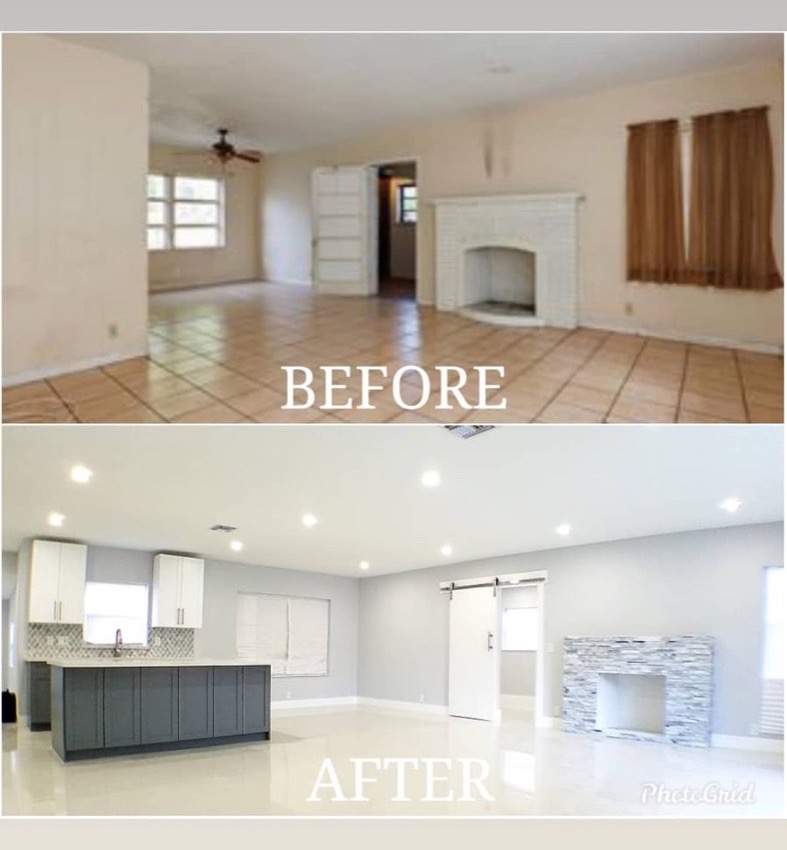
Why a Cash Sale Often Beats Listing for Probate Houses
For most Pembroke Pines probate situations, a cash sale comes out ahead even though the offer is below retail. Here’s the math:
The Hidden Costs of a Traditional Listing
On a $545,000 Pembroke Pines home:
- Agent commission (5-6%): $27,250 – $32,700
- Repairs/staging: $2,000 – $15,000
- Closing costs (seller’s portion): $5,500 – $11,000
- Holding costs during 90-day market time: $4,500 – $7,500 (mortgage, taxes, HOA, insurance, utilities)
- Concessions/credits to buyer: $5,000 – $15,000
Total cost of a traditional sale: $44,250 – $81,200
The Cash Sale Math
A cash buyer offer of, say, $470,000 looks lower than a $545,000 listing price. But once you subtract the costs above:
- Listing net (best case): $545,000 – $44,250 = $500,750
- Listing net (worst case): $545,000 – $81,200 = $463,800
- Cash sale net (no costs): $470,000
The cash sale beats the worst-case listing scenario AND the cash deal closes in 2-3 weeks vs. 4-6 months. The estate’s carrying costs go to zero immediately.
Why Cash Sales Match Probate Particularly Well
- No buyer financing risk. A traditional buyer’s loan can fall through 30 days into escrow. Cash deals don’t have this risk.
- As-is purchase. No repair demands, no inspection objections, no buyer credits.
- Court-friendly contracts. Cash buyers sign agreements explicitly contingent on court approval — exactly what the PR needs.
- Heir-disagreement-proof. If one heir is dragging their feet, a cash buyer’s clean offer often unsticks the situation. Traditional listings can stall for months when heirs argue.
- Speed. 14-21 days from offer to closing means the estate stops bleeding cash. Carrying a $545K house for 6 months on a traditional listing costs $9,000-15,000 the estate doesn’t get back.
> 🇪🇸 ¿Habla español? Aquí lo atendemos. > > Pembroke Pines es 50% hispano — sabemos que muchos representantes personales y herederos llevan el proceso de probate principalmente en español. Yo, Anthony Astolfi, atiendo personalmente las consultas en español. La corte exige documentos en inglés, pero usted no tiene que enfrentar el proceso solo. > > Llame al (305) 699-9763 y pregunte por Anthony — atención bilingüe, sin demora, sin compromiso.
How Home Rescue Team Helps Pembroke Pines Probate Sellers
Home Rescue Team LLC is a family-owned cash buyer based in South Florida (Florida doc# L26000112966). I’m Anthony Astolfi, the founder, and I’m a licensed Florida real estate professional.
We specialize in Broward and Miami-Dade probate, inherited, and distressed property purchases. Here’s what we do differently:
- 24/7 phone response. Call (305) 699-9763 any time — we return calls within 5 minutes during business hours and within an hour overnight.
- Bilingual support. Spanish and English. Critical for Pembroke Pines (50% Hispanic). I personally handle Spanish-language consultations.
- Direct PR coordination. We work with the Personal Representative directly, including coordinating with the probate attorney on Petition to Sell paperwork, court timelines, and heir notifications.
- No-obligation cash offer in 24 hours. Walkthrough optional. We can offer based on a phone description of the property and a quick photo.
- As-is purchase. Hoarder houses, fire/water damage, deferred maintenance, code violations, structural issues — we buy it. No repair list, no concessions.
- Court-friendly contracts. Our purchase agreements are written specifically for probate sales — they cite the contingency on court approval and are accepted by Broward judges.
- Multi-heir mediation. We’ve closed deals where heirs hadn’t spoken in years. We’re not therapists, but a clean cash offer often gets people aligned.
- Reverse mortgage / foreclosure rescue. If the inherited home has a reverse mortgage or is in foreclosure, we can often close before foreclosure auctions if you call us early.
> 📞 Get your free, no-obligation cash offer: > > Call (305) 699-9763 — Anthony answers personally > Or visit homerescueteam.net for a 60-second offer request form
Frequently Asked Questions
Q1: Can I sell the Pembroke Pines house before probate closes?
Yes. Florida Probate Code § 733.613 explicitly allows the Personal Representative to sell estate property with court authorization (via Petition for Authorization to Sell). Most Broward probate sales close before formal probate concludes — the deed transfers, the proceeds go into the estate’s bank account, and the PR continues administering the estate until the creditor claim period expires and final distributions are approved. Summary Administration sales can close even faster.
Q2: Do all heirs need to agree to the sale?
Not always. If the will gives the PR explicit authority to sell, the PR can sell without unanimous heir consent. If there’s no will (intestate estate), Florida law usually requires either heir consent OR a court order overriding objection if the sale is in the estate’s best interest. In practice, most Pembroke Pines probate sales close with PR authority alone — the PR notifies heirs but doesn’t need their signatures unless the court requires it.
Q3: How long does Broward probate typically take in 2026?
Summary Administration: 2-4 months for uncontested estates.
Formal Administration: 6-12 months for uncontested estates. 12-24+ months if contested, if there are creditor disputes, or if heirs file objections.
Broward’s 17th Circuit moves faster than Miami-Dade’s 11th Circuit on average. Pembroke Pines cases benefit from Broward’s relatively efficient probate division and the mandatory ePortal system that eliminates the lost-paperwork delays paper filings used to cause.
Q4: Do I need an attorney for Pembroke Pines probate?
For Formal Administration: yes. Florida law (Fla. Prob. R. 5.030) requires attorney representation for any Formal Administration unless the PR is the sole interested person. For estates over $150,000, this almost always means hiring a probate attorney.
For Summary Administration (up to $150,000): technically no, but the Smart Forms requirement and the complexity of even simple probate filings means most families hire an attorney anyway. Pembroke Pines probate attorney fees typically run $2,500-5,000 for Summary Administration and $4,500-9,000+ for Formal Administration depending on estate complexity.
Q5: What if the Pembroke Pines house has a mortgage?
The mortgage stays attached to the property. At closing, the title company pays the mortgage off from the sale proceeds. Most heirs receive whatever’s left after mortgage payoff, taxes, HOA arrears, and closing costs.
If the inherited home has a reverse mortgage (HECM), it must be paid off in full at the borrower’s death — usually within 6 months. Failure to pay triggers foreclosure. If you’re inheriting a Pembroke Pines home with a reverse mortgage, treat it as urgent.
If there’s a HELOC, it’s paid off at closing.
If the estate doesn’t have enough proceeds to cover the mortgage (underwater home), the estate can return the property to the lender via deed-in-lieu, or in some cases negotiate a short sale.
Q6: Will I owe taxes on the probate sale in Pembroke Pines?
For most heirs: minimal or no tax owed. Here’s why:
- Stepped-up cost basis — IRC § 1014 gives inherited property a cost basis equal to the fair market value at the date of death. So if the house was worth $545,000 on the date of death and you sell it for $550,000 a few months later, your taxable gain is only $5,000.
- No Florida state income tax. Florida doesn’t tax capital gains at the state level.
- Federal capital gains apply to any appreciation above the stepped-up basis, but with the basis reset, this is usually small if you sell within 1-2 years.
- Income in Respect of Decedent (IRD) — different rules apply to inherited retirement accounts, annuities, and certain other assets. These are not taxed under § 1014.
Recommendation: Talk to a CPA or estate tax attorney before closing if the estate is over $1 million or includes retirement accounts. For most Pembroke Pines probate house sales, the tax impact is small.
Other Situations We Help South Florida Homeowners With
Selling an inherited or probate house isn’t the only situation we handle. We also help homeowners facing:
- Inherited house (no probate needed — direct deed via Lady Bird, joint tenancy, or living trust)
- Foreclosure / pre-foreclosure (lis pendens) — we can often close before the foreclosure auction
- Hoarder house — we buy as-is, regardless of clutter or condition
- Fire, water, or hurricane damage — distressed condition, no repairs needed
- Divorce sale — both parties cleared, fast neutral close
- Tired landlord / problem tenants — we buy with tenants in place
- Tax liens / code violations — we navigate the cleanup at closing
If your situation isn’t on this list, call us anyway — most South Florida real estate situations have a cash-sale path.
Where We Buy Houses in South Florida
We buy houses across Broward County and Miami-Dade County, including:
Broward: Hollywood, Pembroke Pines (this page), Davie, Plantation, Miramar, Hallandale Beach, Coral Springs, Sunrise, Weston, Pompano Beach, Fort Lauderdale, Tamarac, North Lauderdale, Dania Beach, Cooper City, Lauderhill.
Miami-Dade: Miami, Hialeah, Doral, Kendall, Aventura, Homestead, Cutler Bay, Coral Gables, Pinecrest, Palmetto Bay, Miami Lakes, North Miami, Miami Beach, Miami Gardens.
If you’re in South Florida and dealing with a probate house, an inherited property, foreclosure, or any other distressed situation — we want to talk.
> Get your free cash offer in 24 hours: > > 📞 Call (305) 699-9763 | Anthony answers personally > 🌐 homerescueteam.net | 60-second offer request form > 📧 anthony@homerescueteam.net
This article is informational and not legal or tax advice. Consult a Florida probate attorney for your specific situation. Home Rescue Team LLC is a Florida limited liability company (Doc# L26000112966) and Anthony Astolfi is a licensed Florida real estate professional.
More help: See the full guide to selling a house in Florida probate. Beyond probate, we buy houses in Broward County in any situation — including when you need to sell a house fast in Miramar next door.
Get Your Free Cash Offer
No obligation. No repairs. No fees. We respond fast.